
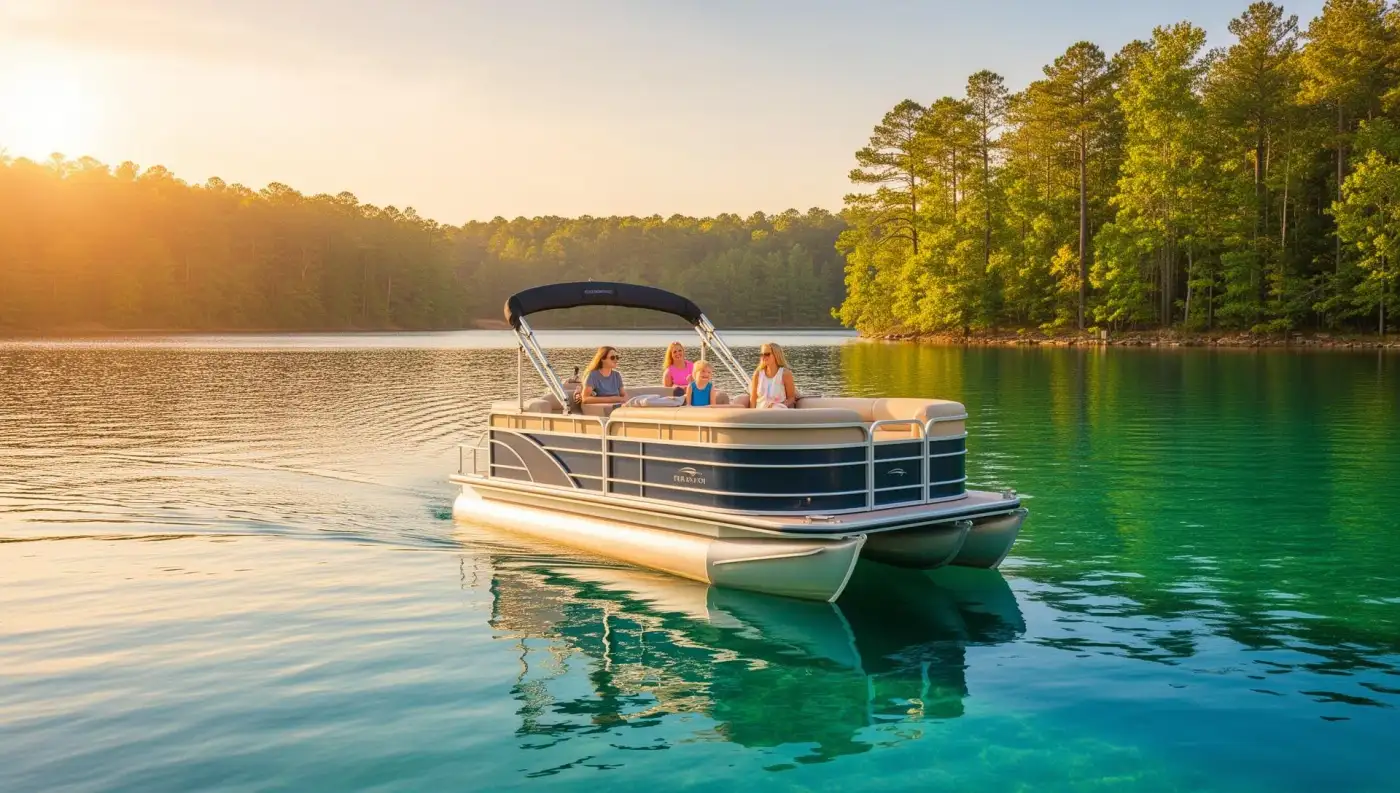
Boat Insurance in Alabama & Georgia
Boat insurance in Alabama and Georgia commonly runs about $200 to $500 a year for recreational vessels, with personal watercraft often adding $150 to $300 each. Coffey Agencies helps protect boats used on Weiss Lake, Lake Allatoona, and nearby waterways from Centre and Rome; call (256) 927-6287 or (706) 784-6511.
What Does Boat Insurance Cover?
Boat insurance protects you financially when things go wrong on or off the water. A comprehensive watercraft insurance policy typically includes:
Liability Coverage
Pays for bodily injury and property damage you cause to others while operating your boat. If you collide with another vessel or a dock, liability coverage handles the costs so you're not paying out of pocket.
Collision Coverage
Repairs or replaces your boat after a crash with another vessel, object, or submerged hazard. This matters on busy lakes like Allatoona where weekend traffic increases accident risk.
Comprehensive Coverage
Protects against non-collision losses including theft, fire, vandalism, and storm damage. For Alabama and Georgia boaters, this covers hurricane damage, hail, and tornado-related losses.
Uninsured/Underinsured Boater
Protects you when another boater causes damage but lacks sufficient insurance. Since boat insurance isn't legally required in either state, many boaters on the water have no coverage at all.
Medical Payments Coverage
Handles medical expenses for you and your passengers regardless of fault. Essential protection for family outings and fishing trips.
Towing & On-Water Assistance
Covers the cost of towing if your boat breaks down on Weiss Lake, Neely Henry, or anywhere else you're stranded.
Boat Insurance Requirements in Alabama and Georgia
Neither Alabama nor Georgia legally requires boat insurance for recreational vessels. However, practical requirements make coverage essential for most boaters in both states. If you finance your boat through a bank, credit union, or dealer, your lender will require comprehensive and collision coverage as a loan condition until the balance is paid in full. Most marinas on Weiss Lake, Neely Henry Lake, Lake Allatoona, Lake Lanier, and other popular waterways require proof of liability insurance — typically $100,000 to $300,000 minimum — before allowing you to rent a slip or store your boat at their facility. Some marinas also require you to be named as an additional insured on the marina's preferred policy form.
Alabama requires a Boat Operator's License for most boaters, and Georgia requires completion of a Boater Safety Course for anyone born after January 1, 1998. Completing these approved courses often qualifies you for insurance discounts of 5% to 10% on your annual premium. Even without legal mandates or lender requirements, boat insurance provides critical financial protection — you are personally liable for any injuries or property damage you cause on the water, and a single boating accident can produce medical bills and repair costs far exceeding the annual cost of a policy.
Boat slip and dock coverage deserves special attention for Alabama and Georgia boaters who keep vessels at marinas or private docks year-round. Standard boat insurance covers your vessel while docked, but damage to the dock structure itself, your boat lift, or rented slip infrastructure may require specific endorsements depending on your policy. Boaters storing vessels at private docks on Weiss Lake or personal boat lifts on Neely Henry should verify that their comprehensive coverage extends to all storage scenarios — including on the water, on a lift, on a trailer, and in enclosed storage. Our agents at Coffey Agencies understand the specific requirements for Alabama and Georgia waterways and can match your coverage to your boating situation. Call (256) 927-6287 or (706) 784-6511.
Which Regional Waterways Do We Serve?
Our boat insurance expertise covers the most popular boating destinations in North Alabama and Northwest Georgia.
Weiss Lake
The "Crappie Capital of the World" spans 30,200 acres with 447 miles of shoreline right here in Cherokee County. Pontoon boats and bass boats dominate this fisherman's paradise, and boat insurance claims here often involve dock collisions and storm damage.
Lake Allatoona
Georgia's busiest recreational lake sees 3.5 million visitors annually. High weekend traffic means more collision risk. Jet ski insurance and PWC insurance are especially important given the lake's popularity with personal watercraft.
Coosa River System
Connecting Weiss Lake to Neely Henry Lake near Gadsden, the Coosa River hosts fishing tournaments and power boating year-round. River debris and submerged hazards make comprehensive coverage essential.
Etowah & Oostanaula Rivers
These rivers merge in Rome, GA to form the Coosa. Kayakers, anglers, and small craft operators use these waterways regularly.
Little River
Flowing through Little River Canyon National Preserve into Weiss Lake, this scenic waterway attracts kayakers and paddlers seeking whitewater experiences.
What Boat Types Do We Insure?
We provide boat insurance for every vessel common to our region.
Pontoon Boats
The most popular boat type on Weiss Lake and Allatoona. Family-friendly and stable, pontoons need coverage for liability and storm damage.
Bass Boats & Fishing Boats
High-performance outboards designed for tournament fishing. Bass boat insurance covers expensive electronics, trolling motors, and custom modifications.
Jet Skis & Personal Watercraft
PWC insurance protects your jet ski from theft, collision, and liability. Many boaters own jet skis alongside their primary boat — we can bundle both.
Ski Boats & Wake Boats
Popular for waterskiing, wakeboarding, and tubing during summer months. These higher-value boats warrant comprehensive coverage.
Sailboat Insurance
Whether you sail on Lake Allatoona or coastal Georgia waters, sailboat insurance addresses unique risks including rigging damage and capsizing.
Jon Boats
Common on rivers and smaller lakes for fishing and hunting. Even lower-value boats need liability coverage.
Boat Insurance Cost by Vessel Type
Annual premiums vary by vessel type, value, and usage. These estimates reflect typical rates for Alabama and Georgia boaters with standard coverage.
| Vessel Type | Typical Value | Annual Premium | Key Risks | Recommended Coverage |
|---|---|---|---|---|
| Pontoon Boat | $20K–60K | $200–400/yr | Dock collision, storms | Liability + comp + collision |
| Bass Boat | $15K–50K | $150–350/yr | Submerged hazards | Full + towing |
| Jet Ski / PWC | $5K–15K | $100–250/yr | Collision, theft | Liability + comp |
| Ski / Wake Boat | $30K–80K | $300–600/yr | High-use damage | Full + passenger medical |
| Kayak / Canoe | $500–3K | $50–100/yr | River hazards | Liability + medical |
| Sailboat | $10K–100K+ | $300–800/yr | Weather, grounding | Full coverage |
Rates depend on vessel age, horsepower, storage, and boating experience. Call (256) 927-6287 or (706) 784-6511 for a personalized quote.
Boat Insurance Coverage Tiers Compared
Choosing the right coverage level depends on your boat's value, how you use it, and where you keep it.
| Feature | Liability Only | Liability + Comprehensive | Agreed Value (Full) |
|---|---|---|---|
| Damage you cause to others | Covered | Covered | Covered |
| Theft, fire, storm, vandalism | Not covered | Covered | Covered |
| Collision with another boat or object | Not covered | Optional add-on | Covered |
| Total loss payout method | N/A | Actual cash value (depreciated) | Agreed amount (no depreciation) |
| Best for | Older boats under $5K | Mid-value boats, seasonal use | Newer boats, high-value vessels |
Agreed value is recommended for boats over $15,000. It locks in your payout at the insured amount — no depreciation surprises at claim time.
Do I Need Boat Insurance in Alabama or Georgia?
Boat insurance is not legally required in Alabama or Georgia for recreational use. However, you likely still need coverage because:
Marina Requirements
Marinas often require liability insurance to dock or store your boat
Lender Requirements
Lenders require full coverage if you finance your boat
Financial Protection
You're financially responsible for any damage or injuries you cause
The average boat insurance policy costs $200–$500 per year for most recreational boats. That's a small price compared to a liability lawsuit or replacing a stolen vessel.
How Can I Save on Boat Insurance?
Bundle with Home or Auto Insurance
Multi-policy discounts typically save 5–15% on your boat insurance premium.
Complete a Boater Safety Course
Alabama requires a Boat Operator's License for most residents. Georgia requires a Boater Safety Course for those born after January 1, 1998. Completing approved courses often qualifies you for insurance discounts.
Choose Higher Deductibles
Raising your deductible lowers your premium if you're comfortable paying more out-of-pocket for smaller claims.
Insure for Agreed Value
Agreed value policies pay a set amount if your boat is totaled, avoiding depreciation disputes. Actual cash value policies pay less over time.
Winter Lay-Up Discounts
If you store your boat during winter months, you may qualify for reduced premiums during the off-season period.
How Much Does Boat Insurance Cost in Alabama and Georgia?
Boat insurance in Alabama and Georgia typically costs between $200 and $500 per year for basic liability coverage on a standard recreational vessel. Comprehensive policies covering a $25,000 to $50,000 boat with collision, comprehensive, and uninsured watercraft coverage generally run $350 to $800 annually, depending on the boat's value, horsepower, and where you dock or store it. Factors that affect your rate include the type of waterway you frequent — Lake Martin and Lake Guntersville in Alabama or Lake Lanier and Lake Allatoona in Georgia carry different risk profiles than Gulf Coast saltwater boating near Gulf Shores. Your boating experience, safety course completion, and claims history also influence premiums. Bundling boat insurance with your auto or home policy through our agency typically saves 10% to 20%. Call (256) 927-6287 for a personalized boat insurance quote based on your specific vessel and usage.
What Does Boat Insurance Cover on Alabama and Georgia Lakes?
Boat insurance covers physical damage to your vessel from collisions with other boats, docks, or submerged objects — a common concern on Alabama's Tennessee River system and Georgia's reservoir lakes where water levels fluctuate seasonally. Comprehensive coverage protects against theft, vandalism, fire, and storm damage, which matters in a region where severe thunderstorms and tornadoes can strike marinas with little warning. Liability coverage pays for injuries or property damage you cause to others while operating your boat, including passenger injuries and damage to other vessels or dock structures. Medical payments coverage handles your own passengers' medical bills regardless of fault. Fuel spill liability — often overlooked — covers cleanup costs if your boat leaks fuel into the water, which can result in significant environmental fines. Towing and assistance coverage pays for on-water breakdowns, keeping you from facing expensive salvage bills on large lakes like Weiss Lake or Lake Oconee. Se habla español.
Do I Need Boat Insurance in Georgia?
Georgia does not legally require boat insurance for recreational vessels, but going without coverage creates serious financial exposure. If you cause an accident on Lake Lanier, Lake Allatoona, or any Georgia waterway, you are personally liable for all injuries and property damage — and boating accidents frequently result in claims exceeding $50,000. Georgia does require boat registration through the Department of Natural Resources for all motorized vessels, but registration does not include insurance. Lenders require comprehensive and collision coverage if you finance your boat, and most marinas require proof of liability insurance before granting slip access. Even if you own your boat outright and store it at home, theft and storm damage risks in Georgia's severe weather corridor make comprehensive coverage a practical necessity. Alabama similarly has no boat insurance mandate, but the same financial logic applies. Our licensed agents help Georgia and Alabama boat owners find coverage that matches their vessel and waterway usage. Call (256) 927-6287.
What Discounts Are Available for Boat Insurance?
Several discounts can significantly reduce your boat insurance premium in Alabama and Georgia. The multi-policy bundle discount — combining boat insurance with your auto, home, or other policies — typically saves 10% to 20% and represents the single largest savings opportunity. Completing an approved boating safety course through the U.S. Coast Guard Auxiliary or a state-recognized program often qualifies you for a 5% to 10% discount while also making you a safer operator. Experienced boater discounts apply when you have five or more years of claims-free boating history. Installing safety equipment beyond minimum requirements — fire suppression systems, GPS tracking devices, and automatic engine shutoff switches — can trigger additional equipment discounts. Paying your annual premium in full rather than monthly installments saves 5% to 8% with most carriers. Storing your boat in a secure, enclosed facility during the off-season reduces theft and weather exposure, potentially lowering your comprehensive premium. Our agents at Coffey Agencies identify every applicable discount when quoting your boat policy. Se habla español.
Frequently Asked Questions About Boat Insurance
Is boat insurance required in Alabama?
Is boat insurance required in Georgia?
Does boat insurance cover hurricane damage?
Does boat insurance cover sinking?
Does boat insurance cover other drivers?
Do I need full coverage on a financed boat?
Do marinas require insurance?
Can I suspend boat insurance in winter?
Does boat insurance cover passengers?
Does boat insurance cover me driving someone else's boat?
Does boat insurance cover mechanical breakdown?
Do I need boat insurance for a kayak or canoe?
Does boat insurance cover fishing tournaments?
What's the difference between boat insurance and marine insurance?
How do I get proof of insurance for my marina?
Does boat insurance cover the boat if it's in a storage unit?
What happens if I hit a submerged object?
Does boat insurance cover a cracked engine block?
What does comprehensive boat insurance cover?
Does boat insurance cover storm damage?
What Our Customers Say
"Staff is always helpful and goes above and beyond to be sure I'm taken care of on top of offering the best rates on home and auto insurance."
Chad L.
Rome, GA
"I've been a customer since 1989. Every issue, question or claim has always been cared for quickly, friendly and professionally. Give Cody Coffey a call — you'll be glad you did."
Karen P.
Rome, GA
"Excellent customer service. Even though Cody is not local to me, he and his agency are very hands on. They keep in touch by all the means available — email, website, monthly magazine, even the old fashioned phone call."
Benita D.
Rome, GA
Complete Your Coverage
Explore additional insurance options to protect every aspect of your life.
Auto Insurance
Liability, collision, comprehensive & uninsured motorist coverage for AL & GA drivers.
Learn More →Home Insurance
Protect your home and belongings from storms, fire, theft, and liability claims.
Learn More →Motorcycle Insurance
Coverage for cruisers, sport bikes, and touring machines with custom parts protection.
Learn More →ATV/UTV Insurance
Coverage for ATVs, UTVs, and side-by-sides whether you ride trails, hunt, or work the land.
Learn More →Life Insurance
Term life, whole life, and final expense options to protect your family's future.
Learn More →Renters Insurance
Affordable coverage for your belongings, liability, and temporary housing from $8/month.
Learn More →Powersports Insurance
Unified coverage for motorcycles, ATVs, boats, jet skis, golf carts, and trailers across AL & GA.
Learn More →Mobile Home Insurance
Coverage for manufactured homes that other agencies won't touch. Specialty options for older mobile homes.
Learn More →Boat Insurance Across Alabama & Georgia
We serve boaters throughout both states from our offices in Centre, AL and Rome, GA.
Alabama
Don't see your city? Contact us — we serve all of AL and GA.
Learn More About Insurance
Explore our guides to understand how bundling and other strategies can save you money on coverage:
Ready to Protect Your Boat?
Get a boat insurance quote in minutes. We'll help you find the right coverage for your vessel, your waterways, and your budget.