
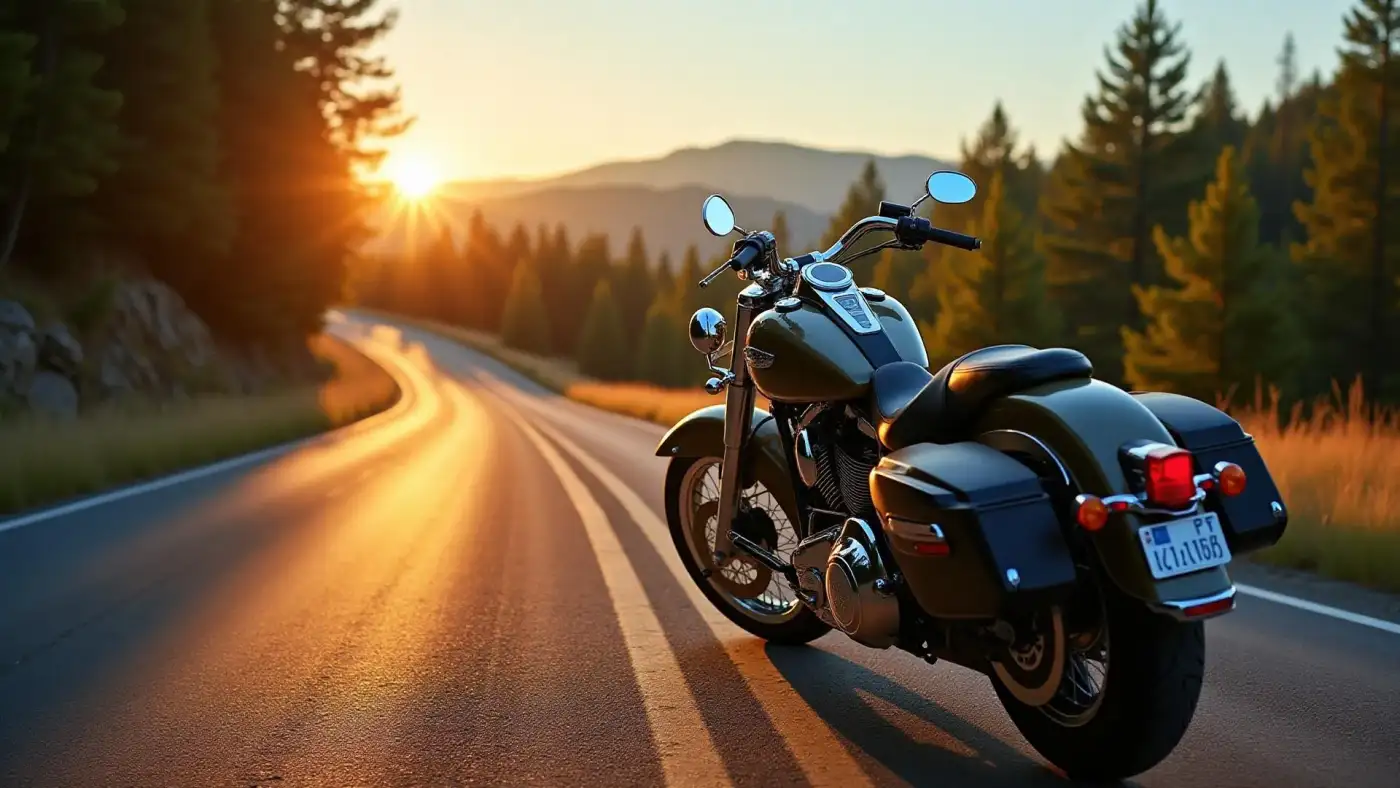
Motorcycle Insurance Alabama & Georgia
Motorcycle insurance in Alabama averages about $369 a year for full coverage, while Georgia riders often see about $400 to $450, and liability-only coverage can start near $15 to $20 a month. Coffey Agencies helps riders across both states from Centre and Rome; call (256) 927-6287 or (706) 784-6511.
What Motorcycle Insurance Coverage Do I Need?
Motorcycle insurance works differently than auto insurance. Riders face unique exposures—no steel cage around you, higher theft rates, and custom modifications that standard policies don't cover. We structure bike insurance to address these realities while keeping premiums reasonable. Bundle with home or auto for multi-policy savings.
Liability (BI/PD)
Required in both Alabama (AL) and Georgia (GA) at 25/50/25 minimums. Pays for injuries and property damage you cause to others. Higher limits protect your assets if you're sued after a serious accident—especially important given medical costs and litigation trends.
Collision
Covers damage to your motorcycle from crashes with vehicles or objects, regardless of fault. Required if your bike is financed. Choose a deductible that matches your emergency fund—higher deductibles lower premiums but increase out-of-pocket costs at claim time.
Comprehensive
Protects against theft, vandalism, fire, falling objects, and weather damage. Alabama and Georgia's mild winters mean year-round riding, but spring and fall bring peak season — and peak risk. Comprehensive bike insurance protects against theft (motorcycle theft spikes in warmer months), storm damage, and vandalism whether you're riding or parked.
Uninsured/Underinsured Motorist (UM/UIM)
Covers your injuries when an at-fault driver has no insurance or not enough. Riders are more vulnerable than car occupants, making adequate UM/UIM limits critical. Many riders match these to their liability limits for balanced protection.
Medical Payments (MedPay)
Pays medical bills for you and your passenger regardless of fault. Useful if you have high-deductible health insurance or want immediate coverage for emergency care. Neither Alabama nor Georgia requires PIP, so MedPay fills this gap.
Accessory & Custom Parts
Standard policies include $1,000–$3,000 for aftermarket parts. Chrome, custom exhaust, saddlebags, upgraded seats, and performance modifications can push values much higher. We can increase limits up to $30,000 to match your investment.
How Much Does Motorcycle Insurance Cost in Alabama?
How much is motorcycle insurance in Alabama? Most AL riders pay significantly less than car insurance. Average full coverage motorcycle insurance in Alabama runs approximately $369 per year — about $31 per month. That's typically 30-40% less than what you'd pay for auto insurance on a similar vehicle. Whether you're riding in Birmingham, Mobile, Huntsville, or smaller towns like Centre, Alabama motorcycle insurance costs benefit from the state's lower population density and fewer urban theft risks compared to other states.
When choosing Alabama motorcycle insurance, you'll decide between liability-only and full coverage motorcycle insurance. Liability-only bike insurance starts as low as $15-20 per month in Alabama, meeting the state's legal minimum of 25/50/25 ($25,000 bodily injury per person, $50,000 per accident, $25,000 property damage). However, we recommend full coverage motorcycle insurance for financed bikes and any motorcycle worth more than a few thousand dollars. Full coverage protects your investment and includes collision and comprehensive coverage for theft, vandalism, and weather damage — important considerations for Alabama riders who face tornado season and severe storms.
Comprehensive motorcycle insurance covers damage from theft, vandalism, fire, falling objects, and weather events. In Alabama, this protection matters especially during tornado season (March through May) and severe thunderstorm season. Comprehensive coverage also protects against theft, which can be a concern in urban areas like Birmingham and Mobile. While comprehensive motorcycle insurance adds to your premium, it provides peace of mind knowing your bike is protected whether you're riding or it's parked in your garage in Centre or stored outside.
Factors Affecting Your Motorcycle Insurance Rate:
- Bike type (cruisers cost less than sport bikes)
- Engine size and horsepower
- Your riding experience and age
- Annual mileage
- Where you store the bike (garage vs. outside)
- Safety course completion (typically 10-15% discount)
Motorcycle Insurance Cost by Bike Type
Average annual premiums in Alabama and Georgia vary significantly based on your motorcycle type. These estimates reflect full coverage with standard deductibles.
| Bike Type | Liability Only | Full Coverage | Theft Risk | Recommended |
|---|---|---|---|---|
| Cruiser | $150–200/yr | $300–450/yr | Low | Full coverage |
| Sport Bike | $200–350/yr | $500–1,200/yr | High | Full + custom parts |
| Touring | $180–280/yr | $400–600/yr | Medium | Full + roadside |
| Dual Sport / ADV | $120–180/yr | $250–400/yr | Low | Full coverage |
| Scooter / Moped | $75–150/yr | $100–250/yr | Medium | Liability + comp |
Rates vary by rider age, experience, location, and claims history. Call (256) 927-6287 or (706) 784-6511 for your exact quote.
Cheapest Motorcycle Insurance in Alabama
Finding the cheapest motorcycle insurance in Alabama starts with understanding what you actually need. Liability-only policies are the most affordable option, typically $15-20 per month, but they only cover damage you cause to others—not your bike. If you're riding an older motorcycle you own outright and can afford to replace, liability might be enough. However, if your bike is financed, worth more than a few thousand dollars, or you simply want protection for your investment, full coverage is usually worth the extra cost.
The cheapest motorcycle insurance in Alabama often comes from bundling. When you combine car and motorcycle insurance combined, you typically save 10-15% on all policies. Many riders in Birmingham, Mobile, and Huntsville find that bundling their car and motorcycle insurance combined with the same carrier simplifies billing and maximizes savings. We also help you qualify for discounts like safe rider programs, motorcycle safety course completion, and multi-bike policies if you own more than one motorcycle. Riders throughout Alabama can save by working with a local agency that helps you explore all available discounts and bundling options.
Remember that the cheapest motorcycle insurance in Alabama isn't always the best value. Alabama's 18% uninsured driver rate means adequate uninsured motorist coverage is essential. We help you find the right balance between affordable premiums and protection that actually covers you when you need it, whether you're commuting in Birmingham or taking weekend rides through the Alabama countryside.
Best Motorcycle Insurance in Alabama
The best motorcycle insurance in Alabama balances comprehensive protection with affordable premiums. It includes adequate liability limits (we recommend at least 50/100/50, higher than Alabama's 25/50/25 minimum), matching uninsured motorist coverage, and full coverage for your bike if it's financed or worth more than a few thousand dollars. The best policies also offer flexible deductibles, custom parts coverage for modifications, and roadside assistance for breakdowns on Alabama highways. Whether you're riding in Birmingham's urban traffic, cruising Mobile's coastal roads, or exploring Huntsville's mountain routes, the best motorcycle insurance adapts to your riding style and local risks.
Coffey Agencies offers competitive motorcycle insurance options in Alabama through our deep knowledge of available coverage and bundling expertise. Our licensed Alabama agents understand state requirements and local riding conditions, ensuring you get coverage that protects you without overpaying—whether you need basic liability for an older bike in Centre or comprehensive coverage for a new Harley in Birmingham. We also help you maximize discounts through bundling home and auto, safety courses, and multi-bike policies.
Motorcycle Insurance Georgia - Coverage for GA Riders
Motorcycle insurance Georgia riders need reflects the state's unique riding environment. From Atlanta's urban traffic to north Georgia's mountain roads, Georgia motorcycle insurance must address diverse risks. Georgia recorded 221 motorcyclist fatalities in 2022—the highest in a decade—making adequate coverage essential for every GA rider. Whether you're commuting on I-285, carving corners on GA-60 near Suches, or cruising through Savannah, your motorcycle insurance Georgia policy should match how and where you ride.
How much does motorcycle insurance in Georgia cost? Georgia riders typically pay $400-450 per year for full coverage—slightly higher than Alabama due to higher urban density and theft rates in the Atlanta metro area. The cheapest motorcycle insurance Georgia offers starts around $20-25/month for liability-only coverage meeting the state's 25/50/25 minimum requirements. However, we recommend higher limits given Georgia's traffic density and uninsured driver rates. Georgia motorcycle insurance rates depend on your location (Fulton and Gwinnett counties cost more than rural areas), bike type, riding experience, and coverage selections.
Finding cheap motorcycle insurance Georgia riders can afford starts with bundling. Combine your motorcycle with auto or home insurance for 10-15% savings. MSF course completion earns additional discounts with most carriers. For riders in Rome, Cartersville, Dalton, and throughout northwest Georgia, our local knowledge helps match you with carriers that understand Georgia riding conditions. We serve riders across Floyd County, Bartow County, Gordon County, Whitfield County, and the greater Atlanta metro—reviewing rates to find competitive motorcycle insurance Georgia coverage.
Motorcycle Insurance for New Riders
Motorcycle insurance for new riders in Alabama typically costs more than for experienced riders, but there are ways to keep premiums manageable. New riders often pay 20-30% more than riders with several years of experience, reflecting the higher accident risk during the first few years. However, completing a Motorcycle Safety Foundation (MSF) course can reduce your premium by 10-15% and teaches essential skills for safe riding. Many new riders in Birmingham, Mobile, and Huntsville start with liability-only coverage to keep costs down, then add full coverage once they've gained experience and confidence. We help new riders understand their coverage options and find policies that protect them without breaking the bank.
When shopping for motorcycle insurance for new riders, consider starting with a smaller, less powerful bike—insurance costs are significantly lower for cruisers and standard motorcycles compared to sport bikes. New riders should also prioritize uninsured motorist coverage given Alabama's 18% uninsured driver rate, which is higher than the national average. We recommend new riders in Alabama maintain higher liability limits (at least 50/100/50) since inexperience increases the likelihood of at-fault accidents. As you gain experience and maintain a clean riding record, your premiums will decrease. Many of our new rider clients in Centre and throughout Alabama see their rates drop by 15-25% after their first year of safe riding.
What Scenic Routes Do We Insure Riders For?
Alabama and Georgia offer some of the Southeast's best motorcycle roads. Whether you're cruising Cheaha, carving corners on GA-60, or riding the Natchez Trace, your bike insurance should match the roads you travel.
Alabama Scenic Routes
Cheaha Mountain
Alabama's highest point with sweeping curves through Talladega National Forest
Little River Canyon Parkway
23 miles of scenic riding along the canyon rim in DeKalb County
Natchez Trace Parkway
Historic route through northwest Alabama with no commercial traffic
US-431 through Anniston and Gadsden
Popular cruiser corridor connecting northeast Alabama
Georgia Scenic Routes
GA-60 to Suches
Known as "The Dragon's Lair" with 60+ miles of mountain curves
GA-180/Brasstown Bald
Climb to Georgia's highest peak on twisting mountain roads
GA-52 through Ellijay
Apple country with rolling hills and light traffic
Richard B. Russell Scenic Highway (GA-348)
14 miles of Alpine-style switchbacks
What Motorcycle Brands Do We Cover?
We provide bike insurance for all major brands. From a vintage Harley Sportster to a new Honda Gold Wing, we match your bike with the right coverage at competitive rates. Custom builds, trikes, and three-wheelers welcome.
Harley-Davidson
Road King, Street Glide, Sportster, and the full touring lineup
Honda
Gold Wing, Rebel, Shadow, Africa Twin, and CBR sport bikes
Yamaha
V-Star cruisers, MT series, YZF sport bikes, and Super Ténéré adventure bikes
Kawasaki
Vulcan cruisers, Ninja sport bikes, and Versys adventure models
Indian
Chief, Scout, Chieftain, and the Challenger lineup
BMW
R series, K series, and GS adventure bikes
Triumph
Bonneville, Street Triple, Tiger, and Rocket 3
What Risks Do Alabama & Georgia Riders Face?
The Southeast offers year-round riding but comes with hazards that shape how we recommend coverage. Georgia recorded 221 motorcyclist fatalities in 2022—the highest in a decade. Alabama saw motorcycle deaths jump 36% from 2023 to 2024. Whether you commute on I-20 through Birmingham, I-75 through Atlanta, I-65 through Montgomery, or US-431 through Anniston, understanding these risks helps AL and GA riders choose appropriate limits and deductibles.
Seasonal weather
Spring storms bring sudden rain and hail. Summer heat causes fatigue. Fall means leaves on pavement and peak deer season from October through December. Comprehensive coverage addresses weather and animal strikes.
High-risk corridors
I-20, I-65, I-75, I-85, and US-431 (nicknamed "Highway to Hell") see disproportionate motorcycle incidents. Higher liability and UM/UIM limits make sense if you ride these routes regularly.
Urban vs. rural
Metro areas like Atlanta and Birmingham have more crashes overall, while rural roads see more fatalities due to higher speeds and delayed emergency response. Either environment warrants adequate medical coverage.
Uninsured motorists
Alabama and Georgia rank among the highest for uninsured drivers. UM/UIM coverage protects you when the at-fault party has no insurance or insufficient limits.
Rider Communities Across Our Service Area
Jefferson County motorcyclists navigate Alabama's busiest urban corridors—I-65, I-20/59, and the I-459 beltway—where heavy traffic and distracted drivers contributed to Alabama's 92 motorcyclist fatalities in 2023. The Birmingham metro offers scenic routes like Highway 119 through Cahaba Valley and access to Barber Motorsports Park, but urban theft risk means comprehensive coverage is essential for bikes parked downtown or in apartment complexes.
Tuscaloosa County riders enjoy cruises along Lake Tuscaloosa and AL-69's countryside, but the University of Alabama's student population creates traffic unpredictability—especially on game days when McFarland Boulevard and I-59/20 see congestion spikes. Etowah County has embraced motorcycle culture with popular meet-ups at Noccalula Falls and scenic routes like AL-211 up Lookout Mountain. Gadsden's position on the I-59 corridor (Birmingham-Chattanooga route) brings through-traffic that riders must navigate carefully.
In Cherokee County, rural highways around Weiss Lake and connecting routes to the Talladega Scenic Drive attract weekend riders. The open roads and mountain foothills offer beautiful rides but present challenges—narrow two-lanes, wildlife crossings, and higher speeds on country roads mean even infrequent accidents can be severe. Madison County riders access Huntsville's growing urban grid and quick escapes to rural routes, while Tuscaloosa and Etowah counties each averaged about one tornado per year historically—a reminder that comprehensive coverage protects bikes from storm damage during Alabama's severe weather season.
Georgia's riders enjoy different dynamics. Floyd County provides access to scenic northwest Georgia routes—riders from Rome cruise U.S. 27 to Lookout Mountain or explore backroads toward the Appalachian foothills. Fulton County presents Atlanta's challenging urban riding environment: the Downtown Connector and I-285 Perimeter demand defensive riding skills, and Georgia's 217 motorcyclist deaths in 2022 (12% of all traffic fatalities) underscore the risk. Metro Atlanta's vibrant bike nights in East Atlanta Village and charity rides reflect strong rider culture, but bike theft remains a serious concern—high-end sport bikes and custom Harleys disappear from parking decks and apartments.
Gwinnett County riders balance suburban routes with I-85 corridor challenges, while Cobb County offers both Marietta's city streets and quick access to north Georgia mountain roads. DeKalb and Bartow counties each see their share of commuter riders and weekend warriors heading to the mountains.
ZIP code-level considerations matter for motorcycle insurance pricing and risk. Birmingham's 35242 (Hoover/Greystone) offers suburban garaging advantages—lower theft risk than downtown while maintaining access to Jefferson County's riding community and events. 35215 (northeast Birmingham) sees higher urban theft exposure, making comprehensive coverage critical. 35173 (Trussville) combines safe garaging with proximity to scenic rides toward Pell City and Logan Martin Lake.
Montgomery's 36117 includes EastChase's newer developments where garage parking is common, plus military riders from Maxwell Air Force Base who often carry solid coverage given deployment considerations. 35960 (Centre in Cherokee County) delivers rural garaging benefits—minimal theft risk, lower overall premiums, and easy access to Weiss Lake's scenic loop roads and connections to mountain routes.
Georgia's 30044 and 30043 (Lawrenceville area) reflect Gwinnett's suburban character—many riders garage bikes in newer subdivisions before weekend runs to Helen or Dahlonega. 30161 (Rome) balances small-city affordability with northwest Georgia's riding opportunities. 30120 (Cartersville) provides I-75 corridor access while staying clear of Atlanta's urban theft hotspots. Atlanta's 30349 (College Park area) carries higher theft risk—sport bikes and cruisers need comprehensive coverage and preferably secured parking.
Seasonal patterns affect all these areas: Alabama and Georgia riders enjoy long seasons (March through November), but summer thunderstorms create afternoon hazards, and winter sees reduced riding in December-February. Many riders carry year-round policies to protect against off-season theft and storm damage, though some carriers offer lay-up discounts for stored bikes.
How Can I Save on Motorcycle Insurance?
Complete an MSF course
The Motorcycle Safety Foundation course satisfies licensing requirements and earns 10-15% premium discounts with most carriers. The skills pay dividends beyond the savings.
Bundle policies
Combining your bike insurance with auto, home, or renters insurance unlocks 10-15% multi-policy discounts and simplifies billing. Works for AL and GA riders.
Choose your bike wisely
Cruisers and touring motorcycles cost less to insure than sport bikes. If you're shopping for a new ride, insurance cost is worth factoring in.
Secure storage
Garaging your bike and installing anti-theft devices (alarms, GPS trackers, disc locks) can reduce comprehensive premiums significantly.
Pay in full
Annual payment typically costs less than monthly installments. We'll quote both options so you can decide and maximize savings.
Mature rider & multi-bike discounts
Experienced riders 25+ often qualify for mature rider discounts. Insure two or more motorcycles together for additional multi-bike savings.
How Does Alabama's Guest Passenger Law Affect Coverage?
Alabama's guest statute limits a passenger's ability to sue the rider for ordinary negligence. This affects how standard liability coverage responds if your passenger is injured. Many Alabama riders add guest passenger liability coverage to ensure passengers have full protection. Georgia does not have this limitation—passengers there are treated as standard third parties. We'll explain how this affects your specific situation during the quote process.
Motorcycle Insurance Questions We Answer Every Day
Do I need motorcycle insurance in Alabama and Georgia?
How much does motorcycle insurance cost in Alabama and Georgia?
Is motorcycle insurance cheaper than car insurance?
What does motorcycle insurance cover?
Does motorcycle insurance cover passengers in Alabama?
Are custom parts and accessories covered?
Can I suspend motorcycle insurance during winter?
Does a motorcycle safety course lower insurance?
Does my auto insurance cover my motorcycle?
What's the difference between motorcycle and auto insurance?
What happens if I only ride seasonally?
What if I'm hit by an uninsured driver?
How do I file a motorcycle insurance claim?
Can I insure a motorcycle I'm still financing?
What Our Clients Say
"Lexi was patient and helpful when I stopped by to ask multiple questions. She's an asset to the office."
Teresa G.
Centre, AL
"Marie was very helpful and professional. She deserves a raise! Coffey Agencies is the best insurance company."
Casey J.
Rome, GA
"Recently switched all my insurance with Cody. Customer service is impressive and rates are lower. Transition was painless."
Kerry G.
Centre, AL
Complete Your Coverage
Explore additional insurance options to protect every aspect of your life.
Auto Insurance
Liability, collision, comprehensive & uninsured motorist coverage for AL & GA drivers.
Learn More →Home Insurance
Protect your home and belongings from storms, fire, theft, and liability claims.
Learn More →Boat Insurance
Protect your boat, PWC, or watercraft with liability, hull coverage, and on-water towing.
Learn More →ATV/UTV Insurance
Coverage for ATVs, UTVs, and side-by-sides whether you ride trails, hunt, or work the land.
Learn More →Life Insurance
Term life, whole life, and final expense options to protect your family's future.
Learn More →Renters Insurance
Affordable coverage for your belongings, liability, and temporary housing from $8/month.
Learn More →Powersports Insurance
Unified coverage for motorcycles, ATVs, boats, jet skis, golf carts, and trailers across AL & GA.
Learn More →Mobile Home Insurance
Coverage for manufactured homes that other agencies won't touch. Specialty options for older mobile homes.
Learn More →Motorcycle Insurance Across AL & GA
We insure riders across Alabama (AL) — including Jefferson County (Birmingham), Montgomery County, Mobile County, Cherokee County (Centre), Etowah County (Gadsden), and Calhoun County (Anniston) — as well as Georgia (GA) communities in Floyd County (Rome), Bartow County (Cartersville), Gordon County (Calhoun), Whitfield County (Dalton), Fulton County (Atlanta), and Gwinnett County.
ZIP Codes We Serve: 35242, 35215 (Birmingham area), 36117 (Montgomery), 36695 (Mobile), 35960 (Centre), 30161 (Rome), 30120 (Cartersville), 30701 (Calhoun), 30720 (Dalton), and surrounding communities throughout AL and GA.
Alabama (AL)
Don't see your city? Contact us — we serve all of AL and GA.
Protect more than your bike. Explore our auto insurance for your car or truck, home insurance for your property, or boat insurance for your watercraft. Bundle multiple policies to save 10-15% across all your coverage in AL and GA.
Ready to Get Your Motorcycle Covered?
Call us today or request a free bike insurance quote online. We'll walk you through your options and answer every question.